About this species
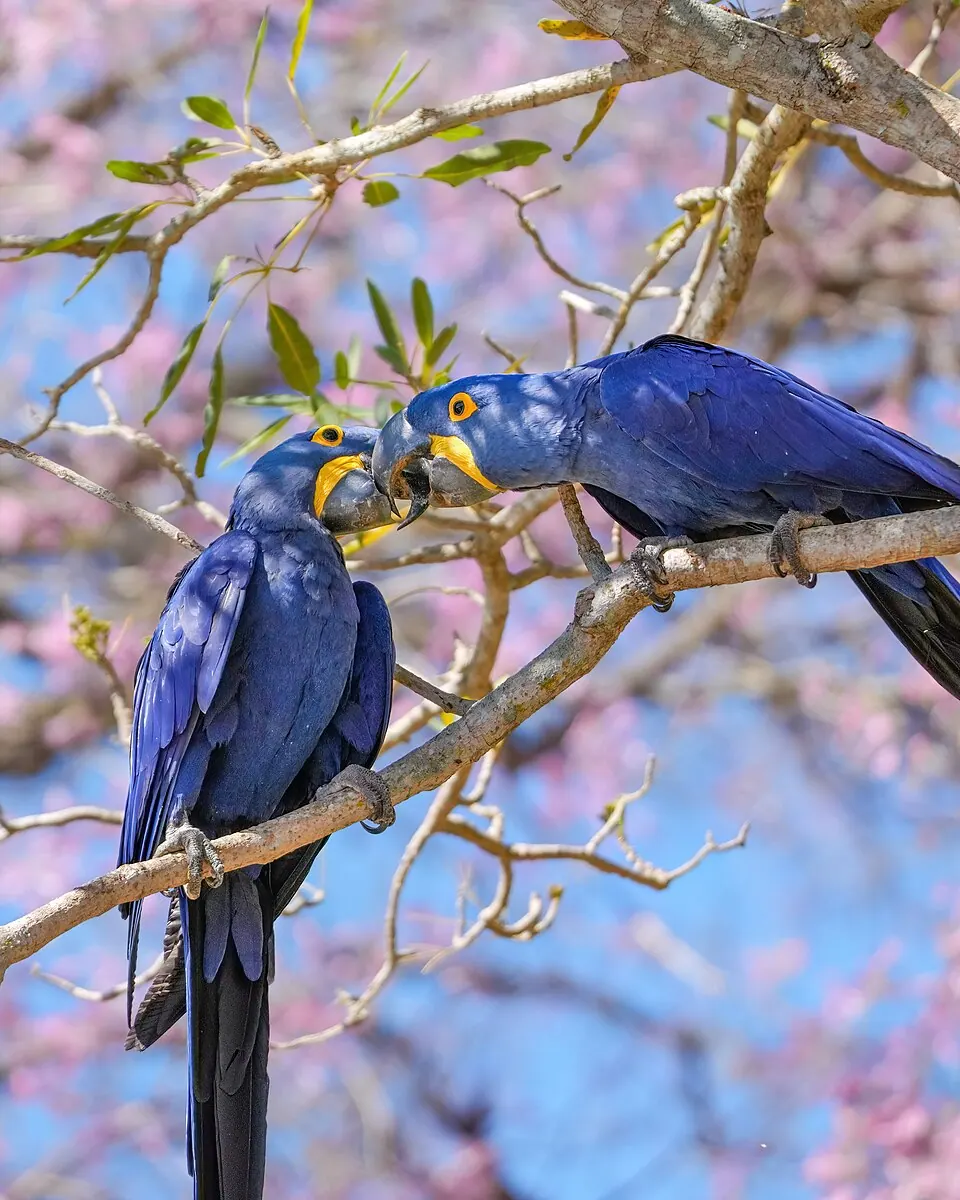
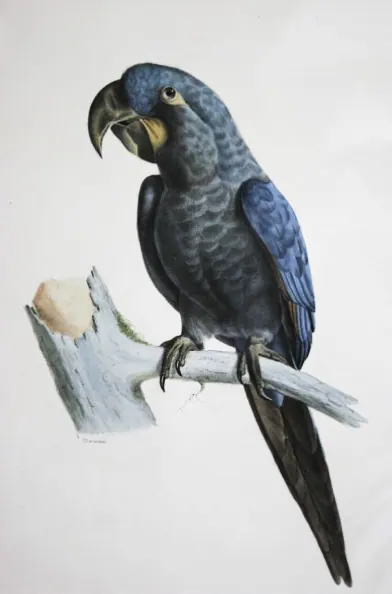
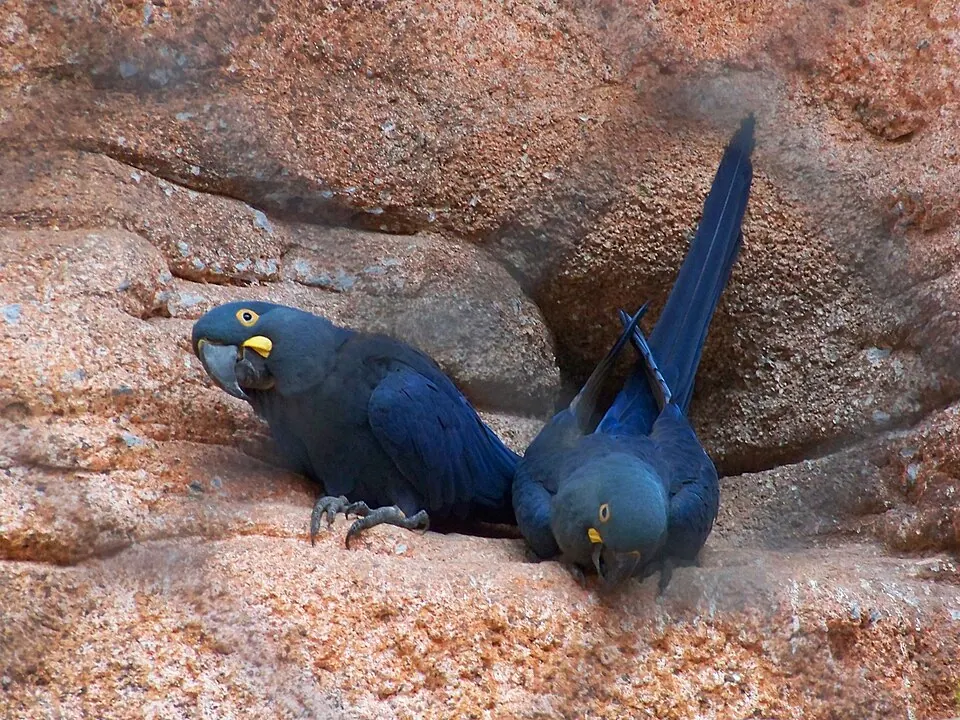
Lear's macaw (Anodorhynchus leari), also known as the indigo macaw, is a large all-blue Brazilian parrot, a member of a large group of neotropical parrots known as macaws. It was first described by Charles Lucien Bonaparte in 1856. Lear's macaw is 70–75 cm (27+1⁄2–29+1⁄2 in) long and weighs around 950 g (2 lb 2 oz). It is coloured almost completely blue, with a yellow patch of skin at the base of the heavy, black bill. Although there are records of the macaw from Britain from the early 1830s, this bird was only generally recognised as an independent species in the late 1970s. It is rare with a highly restricted native range, which was only discovered in 1978, although intensive conservation efforts have increased the world population about thirtyfold in the first two decades of the 21st century.
Where it occurs
Caatinga of eastern Brazil (northern Bahia); on verge of extinction.
Conservation record
AviList v2025b records this species as endangered. Assessments and taxonomy can change; follow the source checklist for updates.