Fruit can make feeding time colorful and interesting, but it should be one part of a balanced diet rather than the whole menu. Your bird’s species, health and current diet matter, so ask an avian veterinarian before making a major change.
Start with variety and small portions
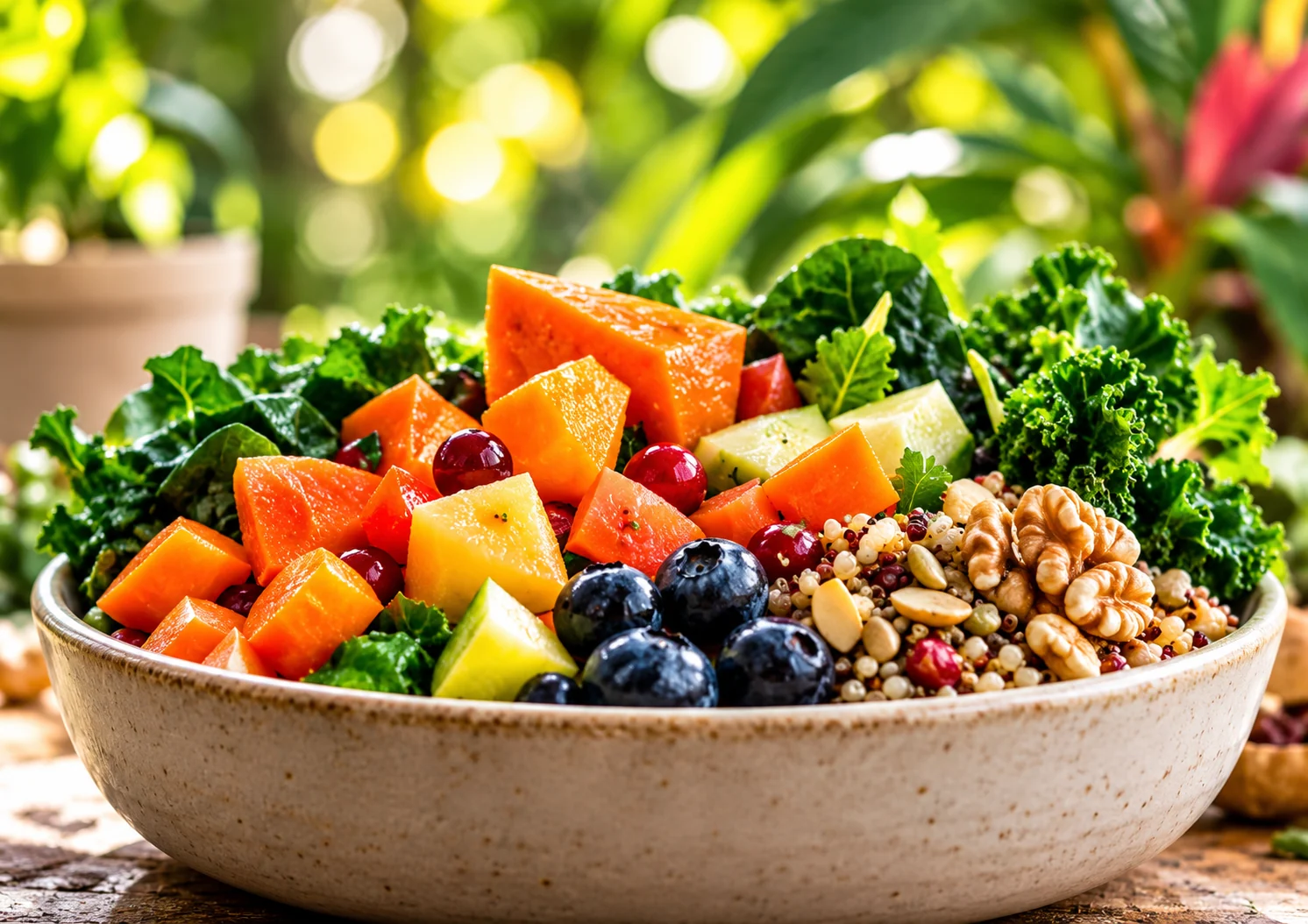
Offer a few small pieces of thoroughly washed fruit and watch what your bird actually eats. Apple flesh with the seeds and core removed, berries, mango and papaya are common choices. Keep vegetables and a suitable formulated base diet in the picture as well. Fruit contains natural sugar, so a bowl packed with fruit can crowd out other useful foods.
- Wash produce and remove pits, seeds and inedible parts.
- Cut pieces to a size your bird can handle.
- Use a clean dish and remove leftovers before they spoil.
- Introduce one unfamiliar food at a time.
Make the food easy to explore
Some parrots ignore a new food the first few times. Try a different cut, offer it beside a familiar vegetable or present a small piece in a supervised foraging activity. Avoid forcing a dietary switch. If your bird eats only seeds or has a health condition, plan the transition with a bird veterinarian.
What should stay off the menu?
Never assume that a food safe for people is safe for birds. Check our toxic foods guide before offering anything unfamiliar, and return to the Food & Nutrition hub for the wider feeding plan.
Further reading: Association of Avian Veterinarians bird owner resources.